Large Electrical Enclosures: A Practical Buyer’s Guide
Electrical enclosures are widely used across industrial, commercial, and infrastructure projects to protect electrical components and ensure safe, reliable system operation.
As electrical systems grow in scale and complexity, large electrical enclosures have become an essential solution for housing high-capacity equipment in both indoor and outdoor environments.
Depending on the application, electrical enclosures may be standard or fully customized, and available in a wide range of sizes.
If you are planning to source or import large electrical enclosures, this guide will help you understand the key design, material, and compliance considerations before making a decision.
By the end of this guide, you will be able to evaluate large electrical enclosure solutions with confidence and select the most suitable option for your project.
What Is a Large Electrical Enclosure?
The term “large” is relative and does not refer to a single standardized size.
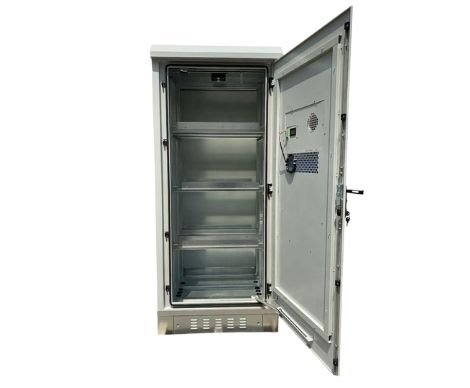
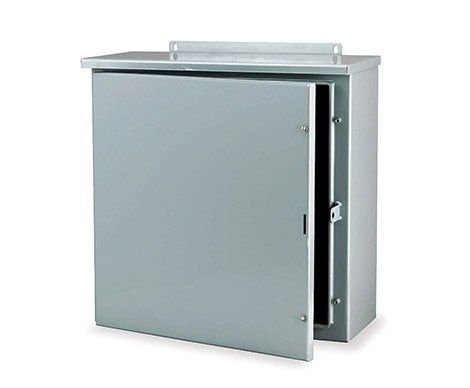
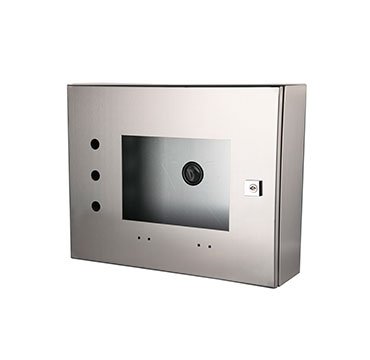
In general, a large electrical enclosure is a cabinet designed to house multiple or heavy electrical components for large-scale industrial or infrastructure applications.
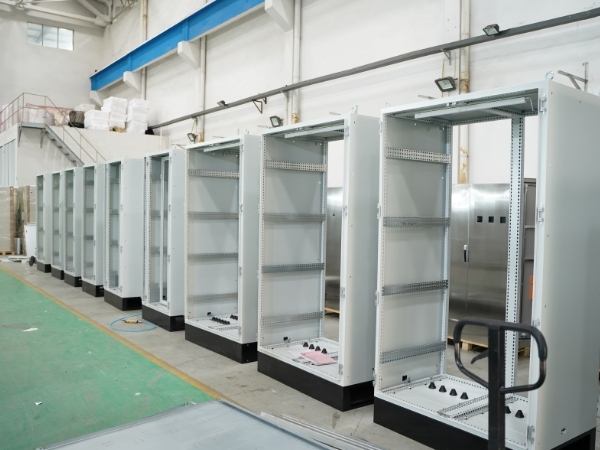
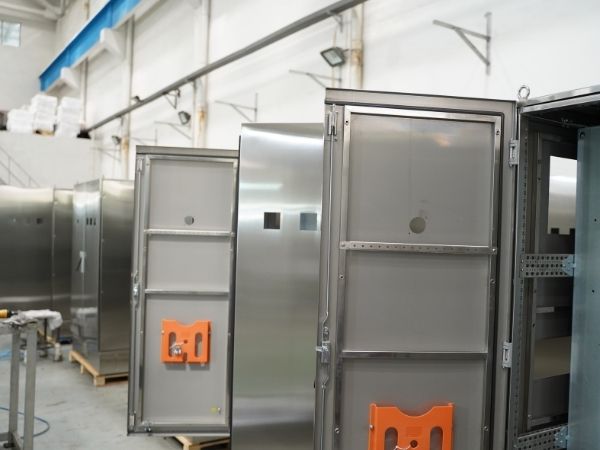
Large electrical enclosures are commonly used in factories, power distribution systems, automation lines, renewable energy installations, and outdoor control systems.
They are typically designed for high load capacity, complex internal layouts, and enhanced protection performance, and can be installed indoors or outdoors depending on project requirements.
Why You Need Large Electrical Enclosures
1. Increased Space and System Integration
Large electrical enclosures provide sufficient internal space to house multiple components within a single cabinet. This improves system integration and simplifies wiring, inspection, and maintenance.
2. Enhanced Operational Efficiency
By organizing electrical components in one enclosure, production efficiency and system reliability are improved—especially in industrial and factory environments.
3. Fire Prevention and Thermal Safety
Large enclosures allow proper spacing, ventilation, and thermal management, reducing the risk of overheating and electrical fire hazards.
4. Environmental Protection
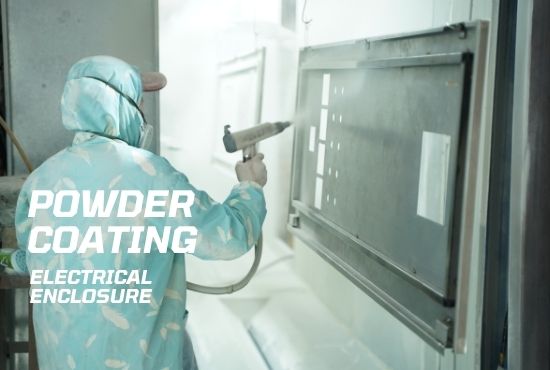
Industrial environments are often exposed to dust, moisture, oil, and corrosive conditions. Large electrical enclosures protect internal equipment from these external factors, extending service life.
5. Workplace Safety
Electrical enclosures prevent direct contact with live components, reducing the risk of electric shock and ensuring a safer working environment.
Large Electrical Enclosure Design Options
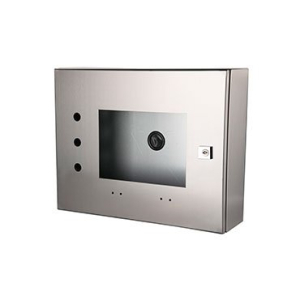
Large electrical enclosures are commonly classified by door configuration and access design:
Single-Door Design
Typically used for control systems or applications with limited internal compartments. Less common for large enclosures due to access limitations.
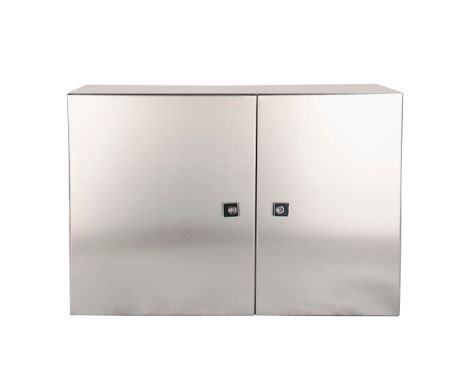
Double-Door Design
One of the most common configurations for large enclosures, providing easier access to internal components and allowing secure locking.
Multiple Single-Door Design
Designed with separate access points for different sections, allowing maintenance without opening the entire enclosure.
Multiple Double-Door Design
Widely used in industrial processing and manufacturing environments where frequent access to multiple internal sections is required.
Large Electrical Enclosure Quality Standards
All large electrical enclosures should comply with relevant international standards to ensure safety and performance:
NEMA Standards
Define enclosure protection levels for electrical equipment used in indoor and outdoor environments.
IP Rating (IEC 60529)
Specifies protection against solid objects and water ingress, commonly used in international and EU markets.
UL Certification
Indicates compliance with safety standards for electrical enclosures, often required for North American markets.
RoHS Compliance
Ensures restricted use of hazardous substances, especially important for projects in the EU region.
Key Technical Specifications to Consider
Thermal Management
Large enclosures must support effective heat dissipation through ventilation systems, fans, or air conditioning units.
Earthing (Grounding)
Proper earthing ensures electrical safety, protects equipment, and reduces the risk of short circuits.
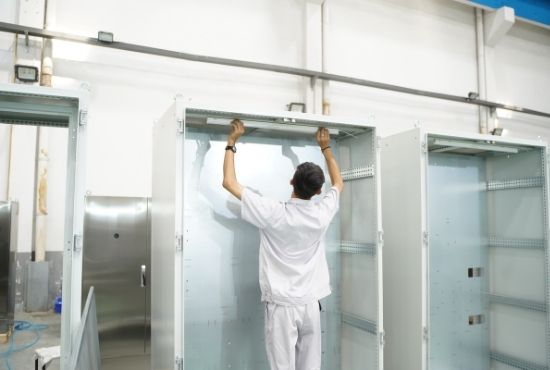
Structural Frame
A rigid and durable frame is essential to support the size and weight of large enclosures.
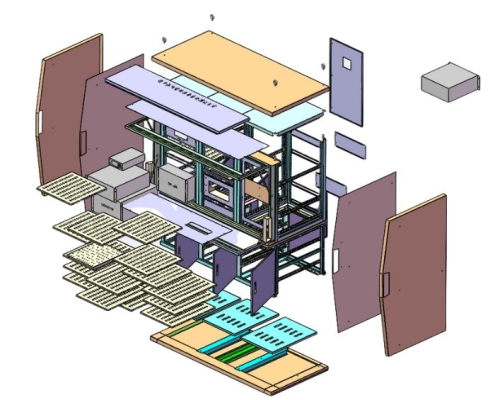
Internal Compartments
Multiple compartments improve organization, accessibility, and operational efficiency for complex systems.
XYD Large Electrical Enclosure Solutions
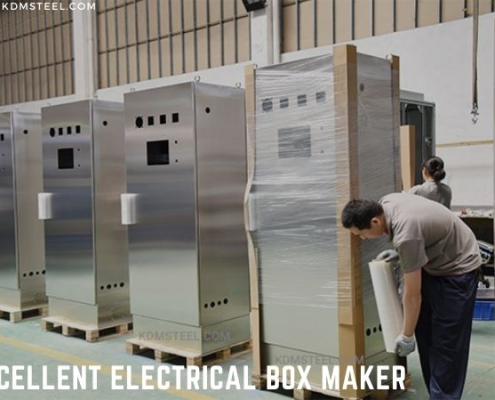
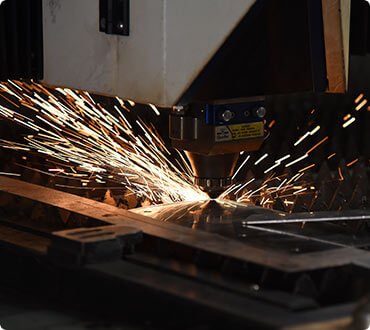
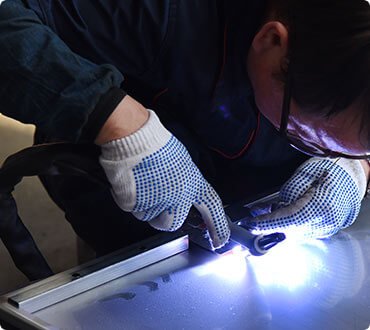
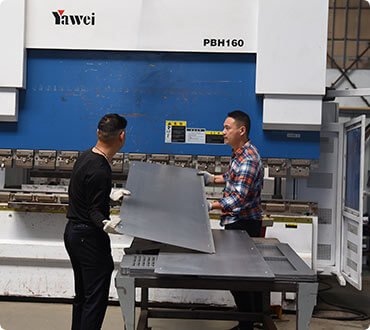
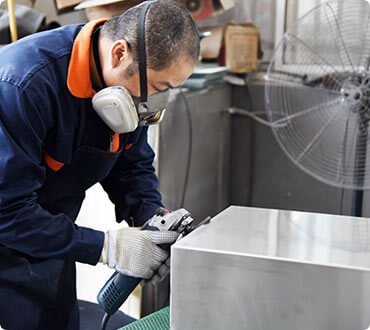
Sourcing large electrical enclosures requires a manufacturer with strong fabrication capability and engineering expertise.
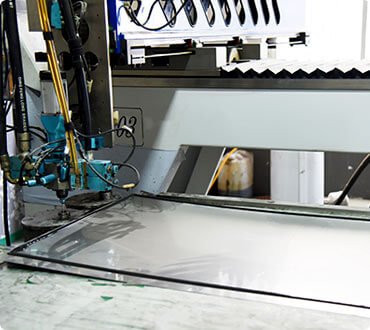
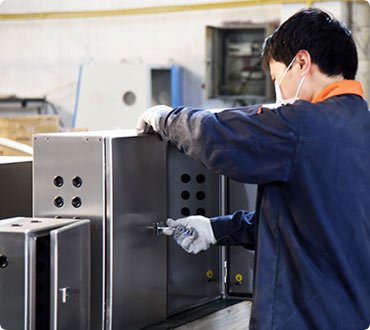
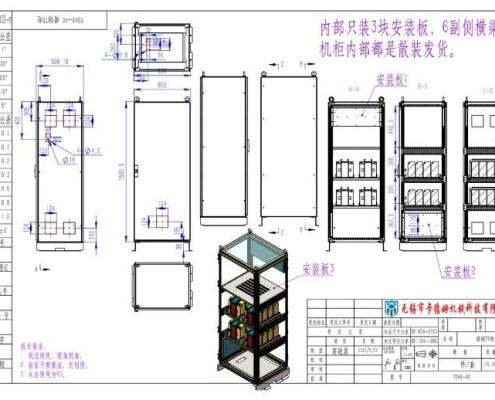
XYD specializes in the design and manufacture of large electrical enclosures, offering both standard and fully customized solutions based on customer drawings and technical specifications.
We provide enclosure solutions in various materials, protection ratings, and structural designs to support demanding industrial applications.
From material selection to compliance standards and production accuracy, XYD ensures consistent quality and reliable performance for large-scale enclosure projects.
Conclusion
Large electrical enclosures play a critical role in protecting electrical systems, improving efficiency, and ensuring workplace safety.
With a clear understanding of enclosure design, materials, standards, and technical requirements, you can confidently select the right solution for your application.
If you are sourcing large electrical enclosures for industrial or infrastructure projects, XYD is ready to support your requirements with professional engineering and manufacturing solutions.